Get Outdoors! The Incredible Health Benefits of Spending Time in Nature

Spending time outdoors is more than just a pleasant way to pass the time. Research shows that being in nature can significantly improve your physical and mental health.
Whether it’s a walk in the park, hiking in the woods, or simply sitting in a garden, the benefits of fresh air and natural surroundings are powerful and wide-ranging.
This post explores why getting outdoors is essential for your well-being and offers practical ideas to help you make the most of nature’s gifts.

Photo courtesy of Karly Ukav on Freepik
How Nature Boosts Mental Health
Spending time outdoors reduces stress and improves mood. "According to the American Psychological Association (APA), spending at least two hours per week out in nature can have benefits for both your physical and mental health. Whether you head outside for a two-hour session or break it into smaller events, you’ll get the benefit." (UCLA Health, 2025).
Numerous studies have consistently demonstrated that exposure to natural environments plays a significant role in lowering cortisol levels, which is the hormone primarily associated with stress responses in the body. The adrenal glands produce cortisol, often called the "stress hormone," because they play a role in the body's fight-or-flight response. When individuals spend time in nature, whether it be a serene forest, a tranquil beach, or even in their own garden, their cortisol levels tend to decrease, leading to a reduction in overall stress.
Nature may offer aid for mental health challenges as well, particularly in alleviating symptoms of anxiety and depression. The calming effects of natural surroundings may encourage relaxation and an improved sense of well-being.
Natural settings can provide individuals with a much-needed respite from the relentless pressures of daily life, allowing them to step away from their worries and reconnect with themselves. Practicing mindfulness while in nature by engaging all of your senses, such as sight, sound, and smell, fosters a deep sense of peace and tranquility.

Photo courtesy of Omar Tapla
Also, engaging with nature can promote physical activity, which is another crucial factor in improving mental health.
Physical Health Benefits of Outdoor Activity
Nature encourages movement, which benefits your body in many ways, offering a multitude of physical, mental, and emotional advantages.
Engaging in outdoor activities such as walking, cycling, jogging, dog walking, or gardening not only allows individuals to enjoy the beauty of the natural world but also plays a crucial role in enhancing overall well-being.

Photo courtesy of Fx Quadro on Freepik
For instance, walking in a park or along a scenic trail provides a low-impact cardiovascular workout that can significantly improve heart health. When you walk, your heart rate increases, promoting better blood circulation and reducing the risk of heart disease over time. Walking with a walking group or friend adds a social component, which is also good for health.
Similarly, cycling is another excellent outdoor activity that not only strengthens the lower body muscles, including the quadriceps, hamstrings, and calves, but also engages the core for stability. This form of exercise is particularly beneficial as it is low-impact, making it accessible for people of all ages and fitness levels. Regular cycling can improve muscle tone, increase stamina, and enhance endurance, allowing individuals to perform daily activities with greater ease and less fatigue.
Gardening is often overlooked as a form of exercise. Yet, it involves a variety of physical movements such as digging, planting, weeding, and watering, all of which can contribute to muscle strength and flexibility.

Photo courtesy of Freepik
The act of gardening not only promotes physical activity but also encourages mindfulness and reduces stress, as individuals connect with the earth and nurture living plants. This therapeutic aspect of gardening can lead to improved mental health, fostering a sense of accomplishment and joy as one witnesses the fruits of their labor bloom and thrive.
The fresh air, sunlight, and the sounds of nature can rejuvenate the spirit, making outdoor activities not just a means of physical exercise but also a holistic approach to achieving a balanced, healthy lifestyle.

Photo courtesy of Freepik
Therefore, incorporating movement in natural settings is a powerful way to enhance both physical fitness and mental health, leading to a more vibrant and fulfilling life.
Sunlight triggers vitamin D synthesis in the skin, essential for bone health and immune function.
Exposure to natural light during the day helps regulate your sleep-wake cycle, leading to deeper, more restful sleep.
Spending time in green spaces has been linked to reduced blood pressure and a lower risk of heart disease.
Also, always consult your healthcare provider before beginning any new exercise, indoor or out, to ensure it is safe for you.

Social Connection and Nature
Outdoor spaces often encourage social interaction, which is vital for emotional health and overall well-being. These environments, such as parks, community gardens, and trails, serve as essential venues for social engagement, offering individuals a chance to come together in a relaxed and natural setting.
Parks, with their expansive green lawns, playgrounds, and picnic areas, provide a perfect backdrop for families and friends to gather, engage in recreational activities, and share joyful moments. The presence of benches and open spaces invites people to sit, converse, and connect, fostering a sense of community and belonging.
Community gardens, on the other hand, not only beautify neighborhoods but also serve as hubs for social interaction. They allow individuals to collaborate on gardening projects, learn from one another, and share the fruits of their labor. This shared responsibility cultivates friendships and strengthens bonds among participants, creating a supportive network that can enhance emotional resilience. Furthermore, community gardens often host events, workshops, and seasonal celebrations that bring residents together, providing additional opportunities for socialization and cultural exchange.

Photo courtesy of Freepik
Trails, whether they are designed for walking, biking, or jogging, also play a significant role in promoting social interaction. As people traverse these paths, they often encounter fellow outdoor enthusiasts, leading to spontaneous conversations and connections. Group activities, such as hiking clubs or running groups, can form around these trails, providing structured opportunities for individuals to meet regularly, support each other in their fitness goals, and develop lasting friendships. Also, walking your dog along trails where dogs are permitted provides them with exercise and social interaction.
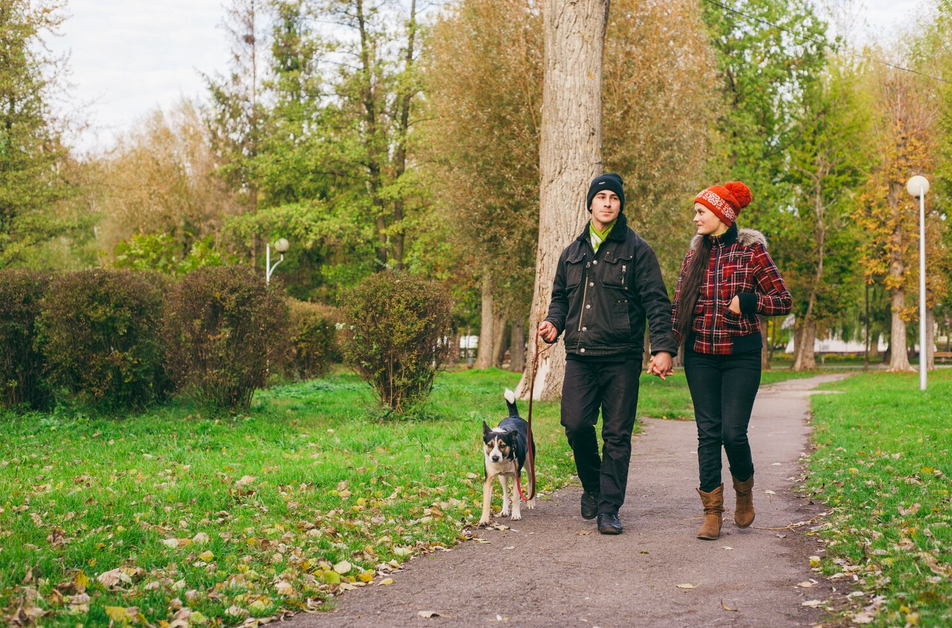
Photo courtesy of Prostooleh on Freepik
The shared experience of enjoying nature and physical activity can also enhance the emotional benefits of these interactions, as individuals often feel uplifted and rejuvenated after spending time outdoors.
As we continue to recognize the significance of these outdoor environments, it becomes increasingly important to advocate for their preservation and enhancement, ensuring that everyone has access to the myriad benefits they provide.
Tips for Spending More Time Outdoors
Making time for nature doesn’t require a big commitment. In fact, integrating the beauty and tranquility of the outdoors into your daily life can be quite simple and rewarding.
In fact, you do not have to spend a lot of time outdoors to reap the benefits. "According to a 2019 study that included data from 19,806 participants, spending at least 120 minutes in nature per week can significantly boost health and well-being. You can go for a 2-hour chunk all at once, or break it up into smaller daily segments — the benefits still hold." (Swaim, 2022).
Also, remember always to stay safe and aware of your surroundings. Either walk with a friend or always let someone know where you are. Wear supportive shoes and pay close attention to the terrain to avoid accidents. Safety should always be your priority to ensure you can reap the benefits of being outdoors.
And again, always consult your healthcare provider before beginning any new exercise, indoor or out, to ensure it is safe for you.

Photo courtesy of Fayson Merege
Here are some straightforward yet effective ways to enjoy the outdoors regularly, allowing you to rejuvenate your spirit and connect with the natural world around you:
1. Take Short Walks
One of the easiest ways to immerse yourself in nature is by taking short walks in your local park or neighborhood. Even a brief 10-15-minute stroll can be incredibly refreshing. Consider exploring different routes or parks to keep your walks interesting. Pay attention to the sounds of birds chirping, leaves rustling, and the fresh air filling your lungs. Walking not only promotes physical health but also provides a mental break from the hustle and bustle of daily life.
2. Create a Garden Space
If you have access to a yard, consider starting a small garden. This could be anything from planting flowers to growing your own vegetables or herbs. Gardening is a fulfilling way to spend time outdoors, allowing you to nurture life while enjoying the sunshine. Even if you live in an apartment, you can create a small balcony garden with potted plants. The act of caring for plants can be therapeutic and provides a tangible connection to the earth.
3. Enjoy Outdoor Meals
Transform your dining experience by having meals outdoors whenever possible. Whether it’s breakfast on your patio, a picnic in the park, or dinner under the stars, eating outside can enhance the flavors of your food and elevate your mood. Bring along a blanket, some simple snacks, or even a full meal to enjoy in a natural setting. It’s a delightful way to savor the moment and appreciate your surroundings.

Photo courtesy of Yaroslav Shuraev
4. Engage in Outdoor Hobbies
Consider picking up a hobby that encourages you to spend time outside. Activities such as gardening, photography, bird-watching, or painting landscapes can deepen your appreciation for nature. Three of my favorite things are gardening, bird-watching, and painting. So, you will often find me in my garden tending to the plants, sitting to watch the birds, or at my outdoor table painting my surroundings. These hobbies not only allow for creative expression but also motivate us to remain active and observe the beauty of the natural world. Even simple activities like reading a book or journaling in a park can provide a refreshing change of scenery.

Photo courtesy of Jadson Thomas
5. Connect with Nature through Mindfulness
Incorporating mindfulness practices into your outdoor time can significantly enhance your experience. Try meditating in a serene natural setting, focusing on the sights, sounds, and smells around you. Mindfulness can help you feel more grounded and connected to the environment, enabling you to appreciate the present moment fully. Even a few minutes of deep breathing while surrounded by trees can create a sense of peace and clarity.
6. Explore Local Nature Trails
My husband and I have recently begun seeking out hiking trails near our new home. Seeking out local nature trails or hiking paths to explore on weekends or during your free time will allow you to "schedule" time in nature. Sometimes adding these things to our "to-do" lists helps us not only remember them but also hold ourselves accountable for doing them regularly.
Hiking provides a great workout and allows you to experience the beauty of diverse landscapes.
7. Participate in Community Clean-Up Events
Engaging in community clean-up events is a wonderful way to give back to nature while spending time outdoors. Many local organizations host regular clean-up days in parks, beaches, or natural reserves. Participating in these events not only helps preserve the beauty of your surroundings but also connects you with like-minded individuals who share a passion for the environment. It’s an excellent opportunity to make a difference while enjoying the fresh air. Also, a good rule is always to leave outdoor spaces better than you found them.

Photo courtesy of Prostooleh on Freepik
Here are some links with ideas for outdoor activities:
Final Thoughts on Getting Outdoors
Getting outdoors is not just a leisure activity; it is a vital component of a healthy lifestyle that can significantly enhance both physical and mental well-being. The natural world offers a plethora of benefits that go beyond mere enjoyment.
Engaging with nature can lead to improved mood, reduced stress levels, and a greater sense of connection to the environment. As we step outside into the fresh air, we are greeted by the sights and sounds of life that can invigorate our senses. Whether it's the rustling of leaves in a gentle breeze, the chirping of birds, or the vibrant colors of flowers in bloom, these elements can uplift our spirits and offer a much-needed escape from the hustle and bustle of daily life.
Outdoor activities such as hiking, biking, or even leisurely walks can provide substantial physical benefits. These activities promote cardiovascular health, improve muscle strength, and enhance overall endurance. The varied terrain and natural obstacles found outdoors challenge our bodies in ways that indoor exercises may not, leading to a more comprehensive fitness routine.

Photo courtesy of Freepik
The social aspect of getting outdoors fosters a sense of community and belonging. These interactions can lead to lasting friendships and support networks, which are crucial for emotional health.
Also, nature serves as a living classroom where individuals of all ages can learn about ecology, biology, and the importance of conservation. Engaging with the environment can instill a sense of responsibility and stewardship, encouraging individuals to protect and preserve the natural world for future generations. We all have a responsibility to do so, and getting outdoors more often helps us stay motivated and accountable in stewarding our environment.
My hope for you all is to reap the benefits of nature and live healthier, happier lives. You will find many links to information and ideas for enjoying the outdoors at the end of this article.
So, let us make a conscious effort to step outside, explore, tend to, and fully immerse ourselves in the wonders that await us in the great outdoors. Your body and mind will thank you!

Photo courtesy of Freepik
Here's to Your Fit and Faithful Journey! 💖💖💖
Tammy Benton
Owner and Author @FitandFaithful.org
Copyright © 2026 FitandFaithful.org. All Rights Reserved.
(Please note that I may receive a commission on clickable links throughout this website.)
Helpful Links to Enjoying the Outdoors:
Resources:
Swaim, E. (2022, May 28). 8 ways being outside can improve your health and well-being. Healthline. https://www.healthline.com/health/health-benefits-of-being-outdoors
Uclahealth. (2025, May 14). 7 health benefits of spending time in nature. UCLA Health. https://www.uclahealth.org/news/article/7-health-benefits-spending-time-nature
Important Disclaimer:
The material and information contained on this website are for general information purposes only. While we do our best to keep the information up to date and correct, FitandFaithful.org makes no representations or warranties of any kind, express or implied, about the safety, completeness, accuracy, reliability, suitability, or availability concerning the website, links on the website, or other information contained, including products and services.
Click on links at your discretion, as FitandFaithful.org has no control over the postings presented on links to other websites and has no liability for what is contained on those websites or the safety of said websites. All links were tested and found to be accurate and safe when posted. Some photos and/or website content may contain AI.
FitandFaithful.org, its writers, or its owners will not be held liable for any false, inaccurate, inappropriate, or incomplete information on the website. The articles, text, graphics, data, links, and references on FitandFaithful.org are for informational and/or entertainment purposes only, and are not intended to replace professional advice. Always consult a healthcare professional before trying new exercises, nutrition plans, or making other health-related changes. FitandFaithful.org, its owners, or writers will not be liable for any damages from reading the articles on the FitandFaithful.org website or trying anything discussed on FitandFaithful.org.
Please note that I may receive a commission or benefit financially from clickable links throughout this website.
Copyright © 2026 FitandFaithful.org All Rights Reserved.


Comments